| |
Allergic Diseases
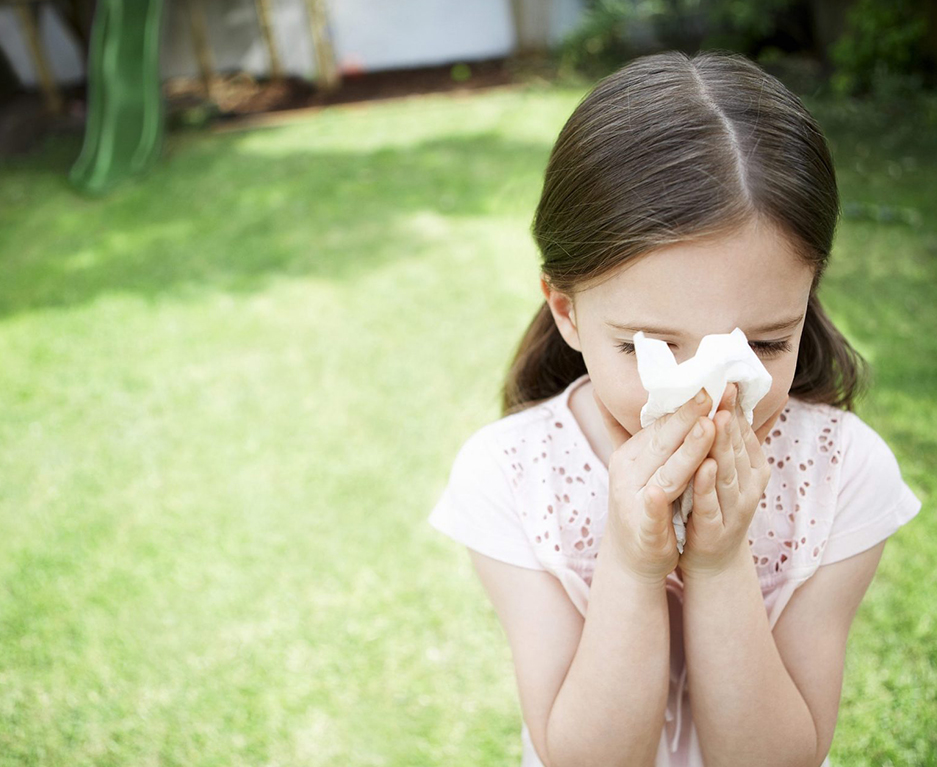
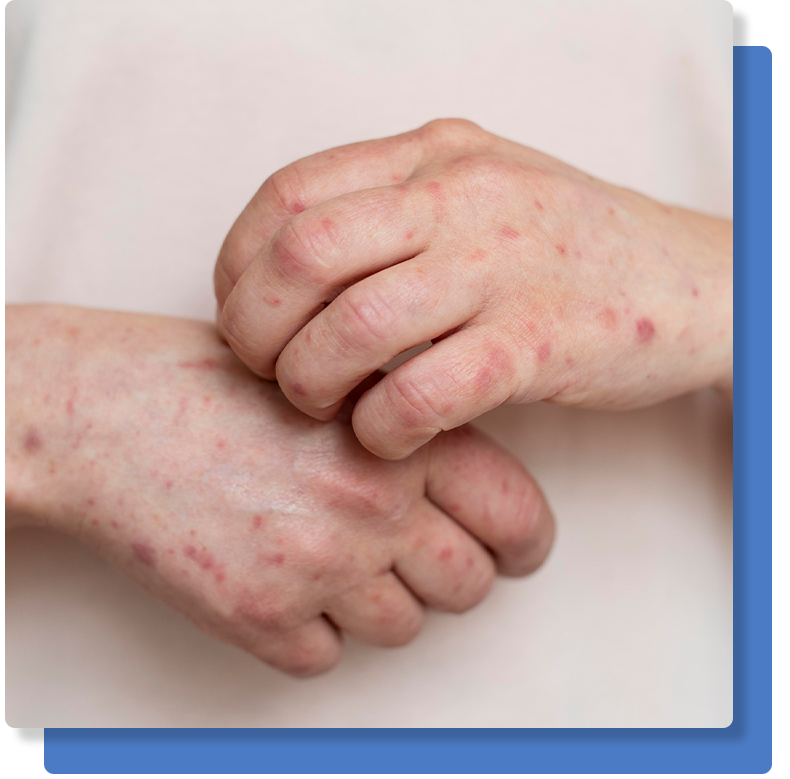
- The most common allergic diseases include allergic rhinitis, conjunctivitis, bronchial asthma, atopic dermatitis (eczema), and urticaria. These conditions represent a significant public health issue and are expected to increase in the coming years.
- Allergic patients have a genetic predisposition that makes them more sensitive to certain substances, even during periods when no previous reactions were observed.
- The main allergens include pollen, house dust mites, animal dander, fungi, foods, insect stings, medications, and chemicals.
- An allergic reaction is an exaggerated response that occurs after exposure to the same allergen, accompanied by inflammatory processes and symptoms.
- Allergies are treated with antiallergic and antihistamine medications that relieve symptoms but do not provide a complete cure.
- The most effective long-term solution is immunotherapy (vaccines), which reduces or even eliminates the symptoms of allergic reactions.
|
|