|
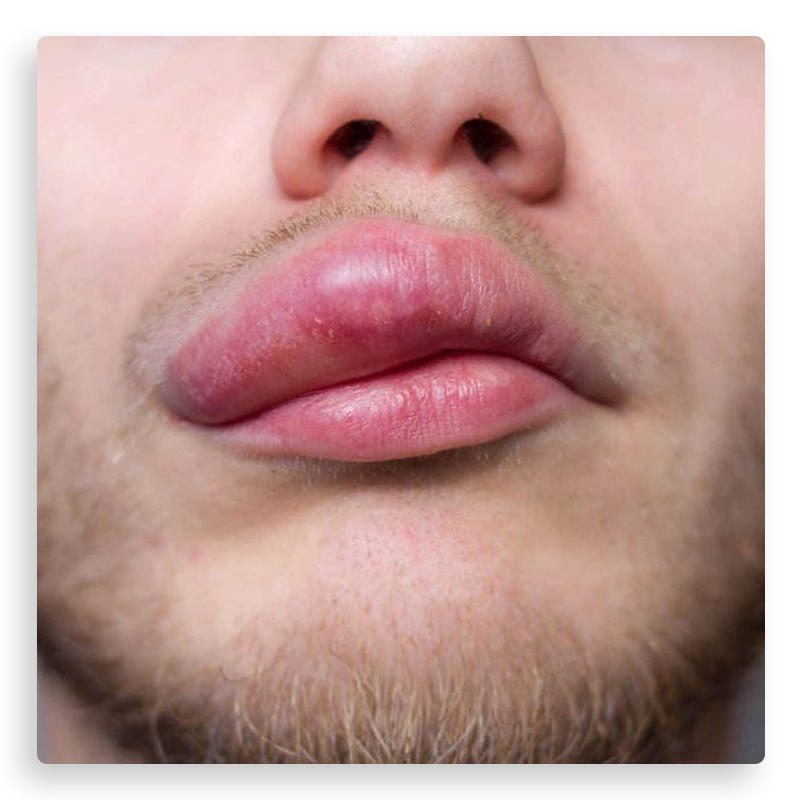
There are two types of angioedema: hereditary and acquired. In the hereditary form, swelling may occur in other areas of the body or even in internal organs such as the intestines. A key characteristic is that it does not respond to antihistamines or corticosteroids and lasts much longer than other forms of angioedema. It is caused by a deficiency of the C1 inhibitor (C1-INH) protein, which regulates the activation of the kinin system, complement system, and blood coagulation. In the acquired form, the deficiency of C1-INH is secondary and is usually associated with hematological malignancies. Similar to hereditary angioedema, acquired angioedema may cause dangerous swelling of the larynx; however, its management differs from that of allergic causes. Due to the severity of angioedema, accurate diagnosis is essential so that the patient can understand the exact cause and receive the appropriate treatment. |