

|
|
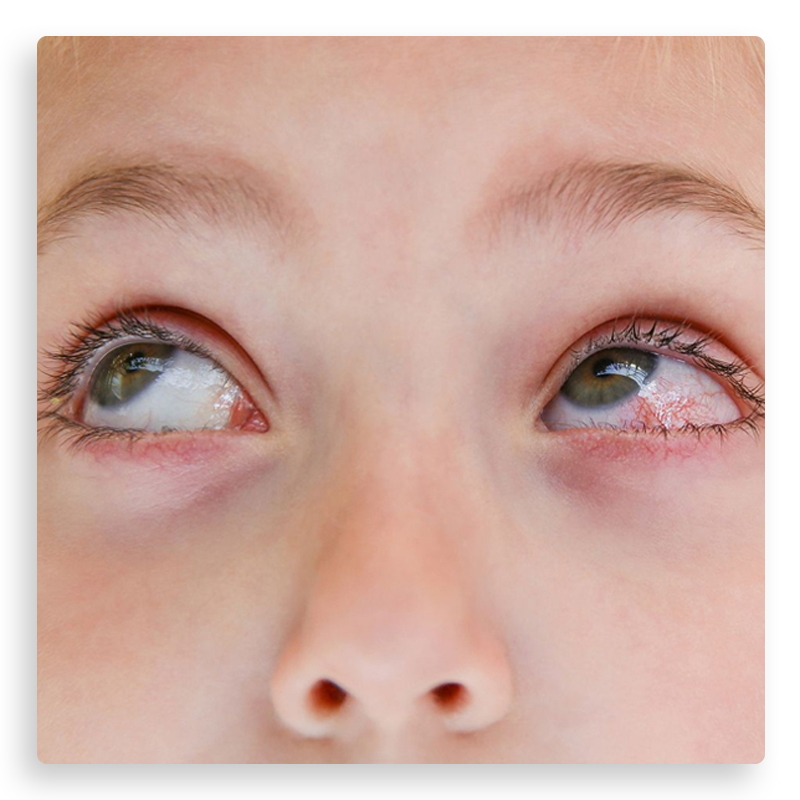
The conjunctiva is a thin, transparent membrane that covers the inner surface of the eyelids and the white part of the eye, known as the sclera. Inflammation of the conjunctiva is called conjunctivitis and can be caused by various factors, such as bacterial or viral infections and allergies. When the cause is airborne allergens that come into contact with the eyes, the condition is called allergic conjunctivitis. Allergic conjunctivitis may occur in three forms: acute, seasonal, and perennial. In acute allergic conjunctivitis, symptoms arise from immediate exposure to a known allergen, such as cat fur. It is characterized by intense itching, redness, tearing, and swelling of the eyelids, while symptoms usually subside within 24 hours after removal of the allergen. Seasonal allergic conjunctivitis occurs during periods when pollen is present in the air. Allergens vary by season, with trees being a major source of pollen in winter and spring, grasses in spring and summer, and weeds in late summer and autumn. Geographic conditions may influence when symptoms appear. Perennial allergic conjunctivitis, on the other hand, is a chronic form caused by indoor allergens such as dust mites, fungi, and animal dander.
|

|
|
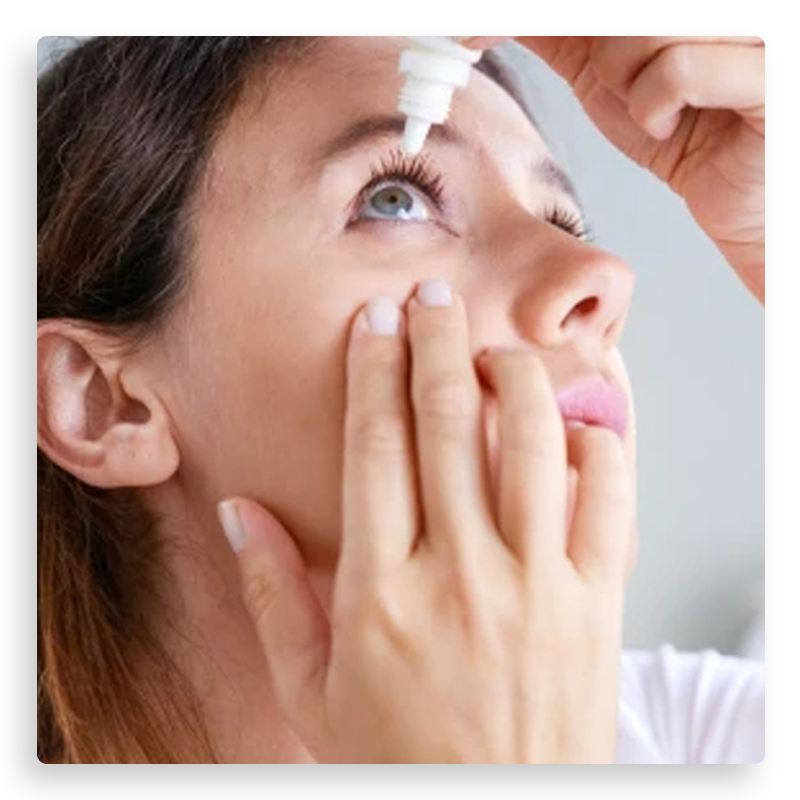
Symptoms of allergic conjunctivitis include redness, itching, watery discharge, burning sensation, sensitivity to light, and swelling of the eyelids. Usually, both eyes are affected, although symptoms may be more intense in one. Rubbing the eyes often worsens the condition. Individuals with allergic conjunctivitis often have a history of other allergic conditions, such as eczema or seasonal allergies. Diagnosis of allergic conjunctivitis is based on its characteristic clinical presentation, which differentiates it from other forms such as bacterial or viral conjunctivitis. However, confirmation requires allergy testing, through which the responsible allergens are identified. After diagnosis, treatment includes guidance on allergen avoidance, systemic medication, or immunotherapy. At the same time, treating coexisting allergic rhinitis is important for more effective symptom management. Proper eye care is also a crucial factor in managing allergic conjunctivitis. Rubbing the eyes should be avoided, as it worsens symptoms. In cases of intense itching, artificial tears, cold compresses, or antihistamine drops may be used. Additionally, minimizing exposure to pollen is recommended by staying indoors during peak periods, using air conditioning, and keeping windows closed at home and in the car. With proper care and treatment, allergic conjunctivitis can be effectively managed. |